The Essential Role of Vitamin C During Pregnancy: Benefits and Why It’s Important for Mom and Baby
Pregnancy is an incredible journey filled with excitement, anticipation, and change. As your body works tirelessly to grow a new life, your nutritional needs shift dramatically. One nutrient that plays a surprisingly big role during this time is Vitamin C.
It’s not just for boosting your immune system; Vitamin C supports both maternal and fetal health, helping everything from tissue growth to iron absorption. Let’s explore why this essential vitamin deserves a front-row seat in your prenatal diet.
What Is Vitamin C and Why Is It Important for Women?
Vitamin C, also known as ascorbic acid, is a water-soluble vitamin that your body can’t produce or store in large amounts. That means you need to get it daily through food or supplements. So, what makes it so important, especially for women?
1. A Powerful Antioxidant
Vitamin C helps protect your body’s cells from damage caused by free radicals. These unstable molecules can accelerate aging and contribute to illness. For women, especially those juggling stress, hormonal changes, or pregnancy, antioxidants like Vitamin C are vital for overall health.
2. Supports Collagen Production
Collagen is a protein that keeps your skin, tendons, ligaments, and blood vessels strong. It’s also crucial during pregnancy when your body is expanding and your baby’s tissues and organs are forming. Without enough Vitamin C, your body can’t produce collagen effectively.
3. Boosts Iron Absorption
Iron deficiency is one of the most common issues among women, including pregnant women. Vitamin C enhances iron absorption, especially from plant-based sources. Pairing Vitamin C-rich foods like oranges or strawberries with iron-rich foods like spinach or lentils can make a big difference in maintaining healthy iron levels.
4. Strengthens Immunity
Your immune system works overtime during pregnancy, and Vitamin C helps keep it strong. It may not prevent every cold, but it supports faster recovery and helps protect against infections.
When thinking about the importance of Vitamin C, remember it’s not just about avoiding a runny nose; it’s about supporting your body from the inside out.
What Are the Benefits of Vitamin C During Pregnancy?
During pregnancy, your body is performing miracles. You’re building new tissues, blood vessels, and an entire human being. Vitamin C is one of the nutrients that help make it all happen smoothly.
1. Helps Form Baby’s Tissues and Organs
Vitamin C is essential for the development of your baby’s connective tissues, skin, cartilage, and bones. It supports collagen production and strengthens the placenta, improving nutrient and oxygen flow.
2. Aids in Wound Healing and Tissue Repair
As your belly grows, your skin stretches and your body experiences small tears and strains. Vitamin C helps repair tissues, maintain elasticity, and support postpartum healing.
3. Strengthens Immunity for Both Mom and Baby
During pregnancy, Vitamin C boosts immune function, helping reduce the risk of illness for both mother and baby.
4. Boosts Iron Absorption and Prevents Anaemia
Vitamin C improves iron absorption from diet and supplements, maintaining healthy haemoglobin levels for better oxygen delivery.
5. Reduces Risk of Complications
Adequate Vitamin C intake may lower the risk of complications like preeclampsia, premature rupture of membranes, and low birth weight.
6. Vitamin C Tablets Benefits During Pregnancy
If you’re not getting enough from your diet, your doctor may recommend vitamin C tablets. They provide consistent nutrient intake, improve skin health, and strengthen immunity. Always consult your doctor before taking any supplement.
Recommended Daily Intake of Vitamin C for Pregnant Women
1. The Recommended Dosage
For most healthy adults, the daily recommendation is about 75 mg for women. During pregnancy, this increases to around 85 mg per day, and up to 120 mg if breastfeeding.
2. Vitamin C Dosage During Pregnancy
A balanced diet usually meets your daily needs. However, the upper safe limit is 2,000 mg per day—too much can cause nausea or diarrhea. Stick to your doctor’s advice.
What Are The Food Sources of Vitamin C for a Healthy Pregnancy?
1. Top Vitamin C Rich Foods
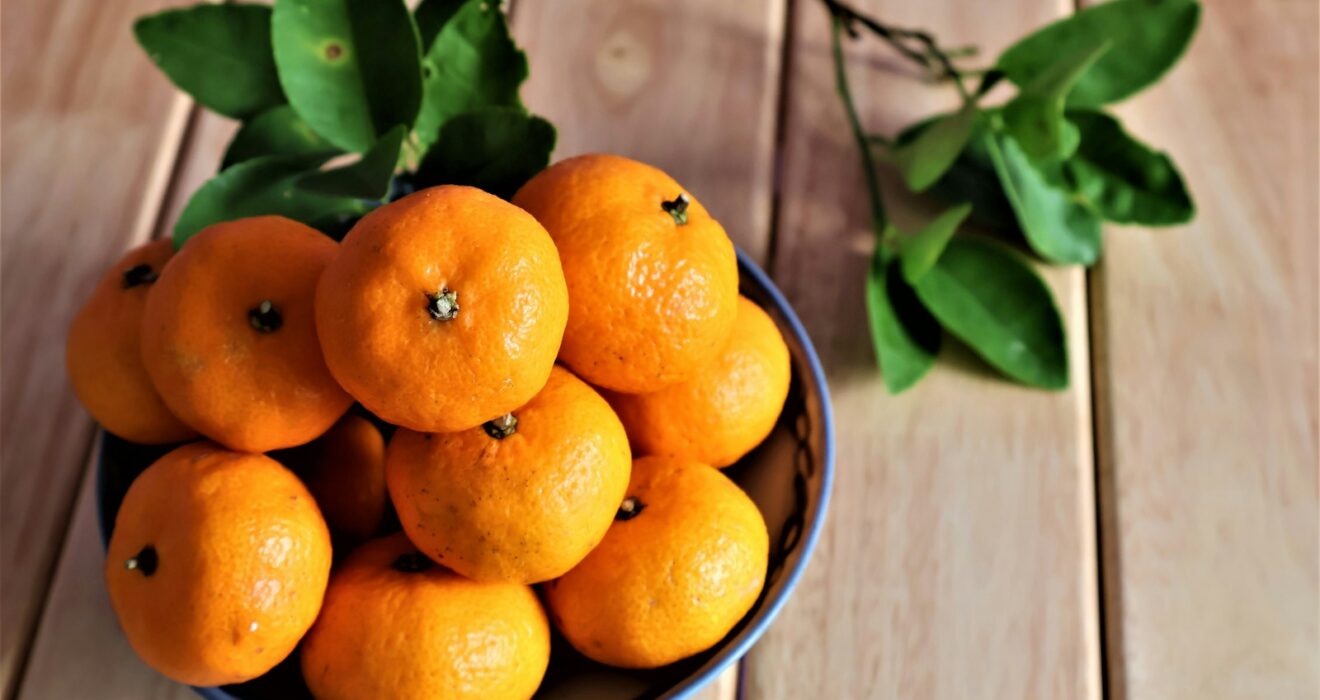
- Citrus fruits (oranges, lemons, grapefruit)
- Strawberries
- Kiwi
- Mango
- Bell peppers (especially red ones)
- Broccoli and Brussels sprouts
- Tomatoes
- Spinach and kale
2. Easy Ways to Add More Vitamin C to Your Diet
- Start your morning with a glass of fresh orange juice.
- Add lemon juice to your salads or soups.
- Snack on berries or sliced mango.
- Add bell peppers to stir-fries and omelettes.
- Steam or roast vegetables lightly to retain Vitamin C content.
3. A Balanced Vitamin C Diet for Pregnancy
Aim for at least 2 servings of fruits and 3 servings of vegetables daily. Including a variety of colors ensures diverse nutrients and adequate Vitamin C intake.
Signs of Vitamin C Deficiency During Pregnancy
- Fatigue and Weakness: Early sign due to poor iron absorption.
- Dry, Rough Skin: Caused by reduced collagen production.
- Slow Wound Healing: Cuts and scrapes take longer to heal.
- Bleeding Gums or Nosebleeds: Indicates weak blood vessels and low Vitamin C.
- Low Immunity: Frequent illness or infections.
- Joint Pain or Swelling: Severe deficiency (scurvy) may cause swollen joints and easy bruising.
FAQs – Importance of Vitamin C During Pregnancy
1. What are the best natural sources of Vitamin C during pregnancy?
Citrus fruits, strawberries, kiwi, mango, papaya, bell peppers, and broccoli are excellent Vitamin C sources that support maternal and fetal health.
2. Is too much Vitamin C harmful during pregnancy?
Yes, consuming over 2,000 mg per day can cause nausea or diarrhea. Always follow your doctor’s recommendations and focus on food sources first.
3. What happens if a pregnant woman doesn’t get enough Vitamin C?
Deficiency can cause fatigue, bleeding gums, and slow healing. It may also affect fetal growth and immunity.
4. What is the main role of Vitamin C for the developing baby?
Vitamin C supports collagen formation, helping your baby’s skin, bones, and connective tissues develop. It also enhances iron absorption for healthy growth.
Final Thoughts
Vitamin C might be small, but its role during pregnancy is mighty. From supporting your baby’s tissue development to strengthening your immune system, it’s one of the most essential nutrients for both mom and baby.
A diet rich in fruits and vegetables is the best way to meet your needs. If your doctor recommends supplements, take them as directed and avoid overuse.
The goal during pregnancy is balance and nourishment—Vitamin C plays a vital part in achieving that.
Key Takeaways
- Vitamin C supports tissue growth, immunity, and iron absorption.
- Aim for about 85 mg daily during pregnancy.
- Include citrus fruits, berries, and vegetables in your diet.
- Watch for deficiency symptoms like fatigue, bleeding gums, or slow healing.
- Consult your doctor before taking Vitamin C supplements.