Have you ever felt “off” and couldn’t quite explain why?
Maybe your energy dipped for no reason…
or your moods started swinging like a pendulum…
or your skin suddenly felt drier than usual…
Or your periods became unpredictable even though nothing in your routine changed.
When estrogen dips, everything from your thoughts to your skin can start acting differently, sometimes subtly, sometimes dramatically. The good news? Your body is incredibly responsive, and there are many natural ways to support healthy estrogen levels that don’t require drastic changes.
Whether you’re navigating perimenopause, noticing new symptoms, or simply trying to take better care of your hormones, this guide will walk you through simple, natural, and science-backed ways to support estrogen through food, lifestyle, and herbs.
So grab a cup of tea (maybe a phytoestrogen-rich soy latte?), get comfy, and let’s dive into understanding how to increase estrogen naturally in a way that feels empowering, practical, and totally doable.
Why Estrogen Matters for Women’s Health?
Estrogen is one of the primary female hormones, but its influence is truly body-wide. While most people associate estrogen with fertility or menstrual cycles, it actually plays a huge role in everyday wellness.
1. Estrogen and Reproductive Health
Estrogen regulates:
- the menstrual cycle
- ovulation
- cervical mucus
- uterine lining growth
Without enough estrogen, cycles may become irregular or disappear altogether.
2. Estrogen and Bone Strength
Your bones rely on estrogen to stay dense and strong.
When estrogen drops, as it does in menopause, bone loss accelerates. That’s why osteoporosis becomes more common later in life. Estrogen slows bone breakdown and supports regeneration.
3. Estrogen’s Role in Mood and Brain Health
The estrogen hormone influences neurotransmitters like:
- serotonin
- dopamine
- GABA
When estrogen dips, you may notice:
- irritability
- mood swings
- anxiety
- brain fog
- difficulty concentrating
This is because estrogen balances the production of feel-good chemicals and supports cognitive function.
4. Estrogen and Skin, Hair & Metabolism
Estrogen keeps skin elastic, hydrated, and youthful by stimulating collagen. That’s why low estrogen can lead to:
- wrinkles
- dryness
- thinning skin
- reduced hair shine
It also contributes to metabolism regulation. Low estrogen may contribute to changes in fat distribution, especially around the abdomen.
5. Heart & Cholesterol Support
Estrogen helps maintain healthy cholesterol levels and blood vessel function. Women often see changes in cholesterol after estrogen declines.
In short, when hormone balance is disrupted, the whole body feels it. That’s why maintaining healthy estrogen is so important for all stages of life.
What Are the Low Estrogen Symptoms in Women?
Low estrogen, also called estrogen deficiency, can develop due to age, medical conditions, stress, or lifestyle factors. Many women don’t recognize the symptoms at first because they overlap with other issues.
Below is a more detailed look at the most common signs.
Common Signs and Low Estrogen Symptoms in women
- Irregular or missed periods
Estrogen triggers ovulation and regulates menstrual cycles. If levels drop, cycles may shorten, lengthen, or skip altogether.
- Hot flashes and night sweats
These occur because estrogen helps regulate temperature. Low levels confuse the body’s thermostat, causing sudden heat surges.
- Vaginal dryness and discomfort
Estrogen keeps vaginal tissue thick and lubricated. Low levels may cause itching, soreness, or pain during sex.
- Low libido
Estrogen fuels sexual desire and natural lubrication. When it drops, libido often falls too.
- Mood swings and irritability
Estrogen supports feel-good brain chemicals. Its decline can mimic mild depression or anxiety symptoms.
- Fatigue and low energy
Hormone imbalance affects how efficiently you use energy.
- Sleep disturbances
Many women with estrogen deficiency struggle with insomnia or restless sleep.
- Skin dryness & thinning
Estrogen helps maintain moisture and collagen, so skin becomes dry or crepey when levels are low.
- Brain fog and memory lapses
Estrogen supports neuron connections, so lower levels affect clarity and recall.
- Headaches or worsening migraines
Hormonal shifts are a well-known migraine trigger.
If you’re noticing several of these signs, your body may be signaling a hormone imbalance linked to low estrogen causes.
What Are the Common Causes of Low Estrogen?
Understanding the reasons for low estrogen helps you find the best solutions. Here are the most common causes of estrogen imbalance:
1. Perimenopause and Menopause
The natural decline of ovarian estrogen production begins in your late 30s or early 40s for many women. Perimenopause brings fluctuating hormone levels, while menopause brings a more permanent decrease.
2. Chronic Stress
Stress creates cortisol, your survival hormone.
But high cortisol reduces reproductive hormone production; your body prioritizes survival, not fertility or hormonal balance.
Over time, this can lead to significant drops in estrogen.
3. Underactive Ovaries (Primary Ovarian Insufficiency)
Genetics, autoimmune conditions, or medical treatments may reduce ovarian estrogen output prematurely.
4. Excessive Exercise & Low Body Fat
Very intense workouts or extremely low body fat interfere with ovulation and hormone production. This is common among athletes or women who train intensely without enough recovery and low calorie intake.
5. Eating Disorders or Poor Nutrition
Malnutrition starves the body of building blocks needed for hormone production. Severe calorie restriction or nutrient deficiencies almost always lower estrogen.
6. Thyroid Disorders
Both hypothyroidism and hyperthyroidism disrupt the endocrine system, affecting ovarian hormone production.
7. Certain Medications
Drugs such as:
- chemotherapy
- antipsychotics
- Hormonal contraceptives (Some hormonal contraceptives suppress natural estrogen production while providing synthetic hormones).
Understanding which of these low-estrogen causes applies to you helps determine the right plan to restore balance.
How to Increase Estrogen Naturally?
Let’s explore the three main ways to restore estrogen without medication:
- Diet
- Lifestyle
- Supplements and herbs
These approaches work together to support healthy estrogen levels naturally.
1. Diet & Nutrition
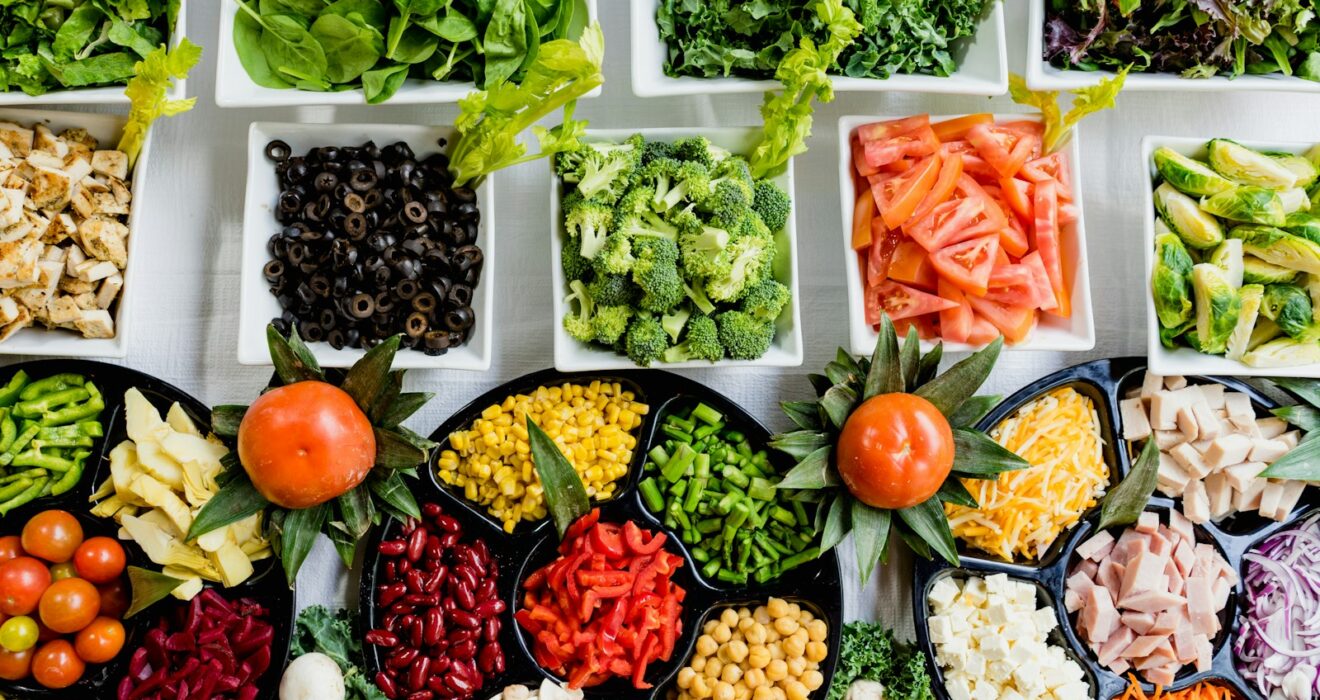
Food is one of the most powerful natural tools for balancing hormones. Many plants contain phytoestrogens, compounds that mimic estrogen in the body.
Below is a deeper look at the top estrogen-rich foods and how they help.
Top Estrogen-Rich Foods
1. Soy and Soy Products
Foods like tofu, edamame, tempeh, and soy milk are rich in isoflavones—a strong type of phytoestrogen. When eaten regularly, soy can help balance mild hormonal fluctuations.
2. Flaxseeds
Flax contains lignans, one of the most potent plant-based estrogen-mimicking compounds. Just 1–2 tablespoons daily can support hormone health.
3. Sesame Seeds
Packed with lignans and healthy fats, sesame seeds help enhance estrogen metabolism and overall hormone production.
4. Chickpeas and Lentils
Rich in phytoestrogens, fiber, and plant protein, they are ideal for women needing hormonal support.
5. Dried Fruits
Dried apricots, dates, and prunes have concentrated phytoestrogens. They make excellent snack options.
6. Berries
Especially strawberries and raspberries. They contain small but powerful amounts of natural estrogens.
7. Cruciferous Vegetables
Instead of increasing estrogen, these foods help your body process and eliminate excess estrogen safely. Balanced estrogen metabolism is equally important.
8. Nuts
Almonds, walnuts, and pistachios contain healthy fats that help the body produce hormones more efficiently.
9. Whole Grains
Oats, barley, brown rice, and millet support stable blood sugar, which in turn stabilizes hormones.
How to Increase Estrogen Through Diet?
Here are practical, daily ways to apply this list:
- Add flaxseed to your smoothie or oatmeal each morning.
- Swap dairy milk for soy milk once a day.
- Sprinkle sesame seeds on rice, salads, or stir-fry.
- Snack on nuts or dried fruit.
- Build meals around chickpeas, lentils, or tofu 2–3 times a week.
- Choose whole grains instead of refined carbs.
Small, consistent changes often give the best results.
2. Lifestyle & Stress Management
Your daily habits have a major impact on your hormones. Even the best diet cannot fix estrogen imbalance without a supportive lifestyle.
Below are expanded ways to support estrogen balance naturally through better habits.
1. Reduce Stress in a Meaningful Way
Chronic stress is one of the most overlooked hormone disruptors.
High cortisol reduces estrogen, disrupts ovulation, and throws hormone levels off.
To lower cortisol:
- Practice deep breathing several times a day.
- Try meditation apps or YouTube guided practices.
- Journaling can help clear emotional buildup.
- Spending time outdoors, nature lowers cortisol naturally.
- Add light yoga or stretching to your morning routine.
Even 5–10 minutes daily can make a noticeable difference.
2. Get Enough Restorative Sleep
Sleep is when your body regulates hormones. Without 7–9 hours of sleep, estrogen production may fall.
Before bed:
- Avoid screens an hour prior.
- Keep your room cool and dark.
- Try magnesium or herbal teas.
3. Maintain a Healthy Weight
- Extremely low body fat can cause estrogen to drop dramatically.
- Conversely, excess fat can cause estrogen overproduction.
- Aim for a healthy middle ground.
4. Exercise in Moderation
Exercise supports hormone balance, but overtraining can reduce estrogen.
Good options include:
- walking
- Pilates
- strength training
- moderate cardio
Avoid daily high-intensity workouts if your estrogen is low.
5. Avoid Endocrine Disruptors
Certain chemicals act like estrogen in the body, disrupting your natural hormone function.
Avoid:
- plastic food containers
- BPA-lined cans
- fragranced products
- harsh cleaners
Choose glass, stainless steel, and fragrance-free products when possible.
What are the Natural Supplements & Herbs?
Natural herbs have been used for centuries to support women’s hormonal health. These are the most researched and widely used natural estrogen enhancers.
1. Black Cohosh
Often used for menopause symptoms. It supports the estrogen receptors in the body, helping relieve hot flashes, mood swings, and dryness.
2. Red Clover
Contains strong isoflavones, similar to soy. Red clover is commonly used for perimenopause and menopausal transitions.
3. Dong Quai
A popular Chinese herb referred to as “female ginseng.” It helps regulate menstrual cycles, improve blood flow, and enhance hormone balance.
Note: Not recommended during pregnancy or for women with bleeding disorders.
4. Maca Root
Not a phytoestrogen, but a powerful hormonal adaptogen. Maca helps regulate the endocrine system, improving libido, mood, and overall balance.
5. Fenugreek
Contains compounds that act like estrogen. Research shows it may improve libido and mood as well.
6. Evening Primrose Oil
Rich in gamma-linolenic acid (GLA), which supports overall hormonal function and reduces PMS symptoms.
7. Chasteberry (Vitex)
Great for balancing progesterone and estrogen. Helps with irregular cycles, PMS, and hormonal acne.
Important Note
Always consult a healthcare provider before introducing estrogen supplements, especially if you are on medication or have medical conditions.
FAQs on Increasing Estrogen
Which food has the highest level of natural estrogen? ▼
Flaxseeds contain some of the highest concentrations of phytoestrogens. They are among the most effective estrogen-rich foods for increasing estrogen naturally.
How can I increase estrogen levels naturally? ▼
To support estrogen naturally:
• Eat flaxseeds, soy, or sesame seeds daily
• Reduce stress using deep breathing or meditation
• Get enough quality sleep
• Add natural estrogen-supporting herbs like red clover or maca
Rapid hormone changes should always be medically supervised.
Can exercise affect estrogen levels? ▼
Yes. Moderate exercise supports hormone balance, but excessive exercise—especially without adequate nutrition—can lower estrogen levels by suppressing ovulation.
How does stress reduction help increase estrogen levels? ▼
Lowering stress reduces cortisol levels, allowing the ovaries to produce estrogen more effectively. Stress management is one of the most powerful tools for hormone balance.
When should I see a doctor? ▼
If symptoms are severe, persistent, or affecting your quality of life, hormone testing may be required. Natural approaches work best for mild imbalances and supportive care, not for conditions such as premature ovarian insufficiency or severe menopausal symptoms.