Becoming a parent is one of the most exciting and emotional experiences in life. From the moment you first see your baby, all you want is for them to be healthy and safe.
But sometimes, things don’t go as planned. A doctor or nurse may tell you that your little one needs to spend time in the NICU. If you’re like most parents, your heart drops when you hear those words. You might feel confused, anxious, or even a little scared.
The good news is that the NICU exists for one reason: to give babies the best possible care when they need extra support. Whether your baby was born early, has breathing problems, or just needs closer monitoring, the NICU team is trained to handle those delicate first days and weeks of life.
In this guide, we’ll walk through NICU meaning, why it’s so important, and the different levels of neonatal care you may hear about. By the end, you’ll not only know what is NICU, but also feel more confident and reassured about the kind of care your baby is receiving.
What is a NICU? Meaning and Purpose
Why is Neonatal Care Important?
The Different Levels of Neonatal Care Explained
Common Reasons a Baby Needs NICU Care
Neonatal Intensive Care Unit NICU FAQs
What is a NICU? Meaning and Purpose
So, what is NICU? The term stands for Neonatal Intensive Care Unit. It’s a specialized hospital area designed for newborn babies who need close medical attention. You might also hear it called a neonatal care unit.
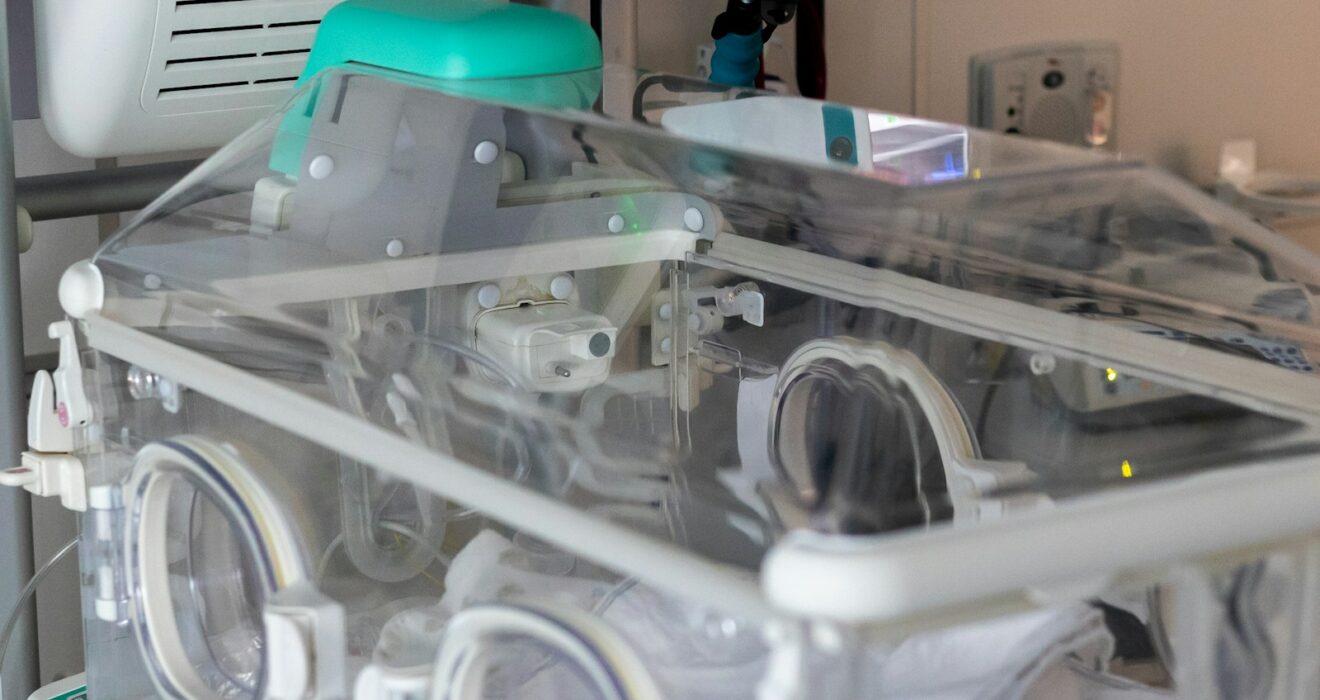
The neonatal intensive care unit has advanced equipment and highly trained staff. Doctors, nurses, and respiratory therapists work together to help fragile babies. Their purpose is simple: give newborns the best chance to grow stronger and healthier.
In short, the NICU meaning is hope. It’s a place where tiny lives are supported with the highest level of care.
Why is Neonatal Care Important?
Neonatal care is critical because the first few weeks of life set the stage for long-term health. Some babies arrive early. Others may face breathing, feeding, or infection challenges. Without specialized care, these issues can become life-threatening.
The neonatal care unit makes sure newborns have the right support at the right time. It’s not only about survival, it’s about giving babies the best possible start.
The Different Levels of Neonatal Care Explained
When parents first hear about NICU levels, it can sound confusing. Hospitals divide neonatal care into four levels. Each level is designed to match a baby’s needs, from basic monitoring to advanced life support. Let’s break down the levels of neonatal care in a simple way.
Level 1 NICU – Basic Newborn Care
A level 1 NICU (sometimes called a well-baby nursery) is for healthy newborns. Staff here provide routine care such as feeding, monitoring vital signs, and checking for jaundice. Babies born at full term who only need observation often stay here.
Think of this as the safety net. If a baby shows signs of needing more help, they can be transferred to a higher level of care in NICU.
Level 2 NICU – Special Care Nursery
A level 2 NICU cares for babies who are a little more fragile. These babies may be born slightly early, around 32 to 35 weeks, or may need help with breathing or feeding.
Staff provide specialized support, such as oxygen therapy, IV fluids, and phototherapy for jaundice. If the baby’s condition becomes more complex, they are moved to a level 3 NICU.
Level 3 NICU – Neonatal Intensive Care Unit (NICU)
A level 3 NICU is what most parents picture when they think of a neonatal intensive care unit. This is where premature babies (born before 32 weeks) or critically ill newborns receive advanced care.
Here, babies may need ventilators, complex monitoring, or surgery. Staff in a level 3 NICU include neonatologists, pediatric surgeons, and specialists trained for complex cases.
This level of care in the NICU can be life-saving. Parents should know that even though it feels intimidating, these units are designed to give fragile babies the best shot at recovery.
Level 4 NICU – Advanced Neonatal Intensive Care
A level 4 NICU offers the highest level of care in NICU. These units handle the most complex cases, often involving surgeries or conditions that need advanced technology and specialized doctors.
Think of this as the top tier of neonatal care. Not every hospital has a level 4 NICU. Babies may be transferred here if they need heart surgery, advanced imaging, or treatment for rare conditions.
Common Reasons a Baby Needs NICU Care
Not every baby who enters the NICU is critically ill. Some just need extra time or attention. Here are common reasons a newborn may be admitted:
- Premature birth (before 37 weeks)
- Breathing difficulties or lung problems
- Low birth weight
- Infections or suspected infections
- Trouble feeding or maintaining blood sugar
- Jaundice that needs phototherapy
- Congenital conditions or birth defects
- Recovery after surgery
Pampearl NICU
Pampearl Hospital is known for its specialized neonatal services. Their NICU Level 3B provides advanced support for premature and critically ill babies.
The Pampearl NICU team includes neonatologists, pediatric specialists, and dedicated nurses. They handle complex cases like respiratory distress, congenital heart disease, and surgical recovery.
With modern equipment and family-centered care, Pampearl gives parents confidence during an uncertain time. Their level 3 NICU setup means babies receive both intensive monitoring and the warmth of a nurturing environment.
Final Thoughts
Hearing your baby needs the neonatal intensive care unit is scary. But knowing the NICU levels and the different levels of neonatal care can ease the fear. From a level one NICU that provides basic support to a level 4 NICU with advanced care, each unit has the same mission: helping babies grow stronger.
For parents, knowledge is power. Understanding the level of care in NICU helps you feel more prepared and confident when speaking with doctors and nurses. Most importantly, remember, you are not alone. The NICU staff is there to support both your baby and your family every step of the way.
Neonatal Intensive Care Unit NICU FAQs
1. How long do babies stay in the NICU?
It depends on the baby’s condition. Some stay for a few days. Premature or very sick babies may stay weeks or months. The goal is always to prepare your baby to safely go home.
2. What is the difference between a Level 2 and a Level 3 NICU?
A level 2 NICU cares for moderately ill or slightly premature babies. A level 3 NICU handles critical conditions, extremely premature babies, and those needing advanced life support.
3. Can parents stay with their baby in the NICU?
Yes, many NICUs encourage parents to stay close. Some units allow 24/7 visits, skin-to-skin care, and involvement in daily routines.
4. Is it safe to hold my baby in the NICU?
Usually, yes. The staff will guide you on how to hold or touch your baby safely, even with monitors or tubes. Kangaroo care (skin-to-skin contact) is often encouraged.