Pregnancy is a beautiful journey, but let’s be honest, it can also be a roller coaster of physical changes, emotional ups and downs, and occasional overwhelm.
That’s where prenatal yoga comes in, a safe, gentle, and deeply restorative way to stay strong, flexible, and centered during these transformative months.
In this guide, we’ll break down what is prenatal yoga, explore the many benefits of prenatal yoga, and give you safety tips straight from a medical perspective.
Whether you’re curious about yoga for pregnant women or looking for yoga classes for pregnant ladies near you (or online), you’ll find everything you need to start your practice with confidence.
What is Prenatal Yoga? A Gentle Practice for Expectant Mothers?
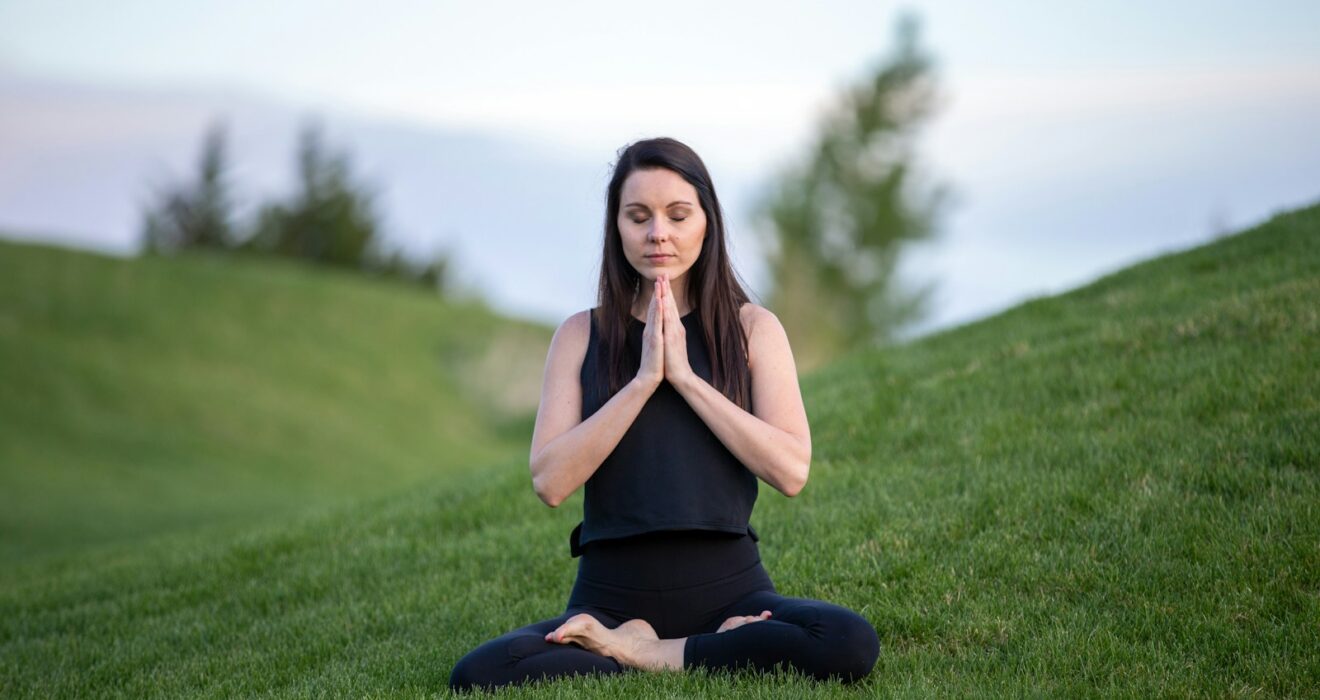
So, what is prenatal yoga exactly? Think of it as a specially adapted form of yoga designed for expectant mothers, focusing on safe stretches, strength building, and relaxation techniques that support both you and your growing baby.
A typical pregnancy yoga class may include:
- Gentle stretches to release tension in the back, hips, and shoulders.
- Controlled breathing (pranayama) to help with relaxation now and prepare for labor later.
- Mental centering techniques such as guided meditation or mindfulness.
- Pelvic floor exercises support the muscles that play a key role during childbirth.
Unlike traditional classes, yoga for pregnant ladies modifies or eliminates poses that put pressure on the belly or strain the joints. The aim isn’t to push your limits but to create a safe space where movement feels nourishing.
Whether you join in-person yoga classes for pregnant ladies or explore pregnancy yoga at home, the goal is the same: supporting your body, calming your mind, and connecting with your baby.
What Are the Benefits of Prenatal Yoga?
The benefits of prenatal yoga go far beyond improving flexibility or toning muscles. This is a holistic practice that supports your body, mind, and emotional well-being through one of life’s most beautiful and sometimes challenging journeys. Whether you’re practicing yoga for pregnant women at home or attending yoga classes for pregnant ladies in person, here’s what you can gain.
1. Improves Strength and Flexibility
Regular practice of prenatal yoga helps build and maintain muscle tone in areas most affected by pregnancy, such as the hips, back, and core. This added strength supports your growing belly, improves posture, and prepares your body for the physical demands of labor and delivery, all while maintaining gentle flexibility that keeps movements comfortable.
2. Eases Common Pregnancy Discomforts
From lower back pain to swelling in the legs and feet, pregnancy can bring its fair share of aches. Through targeted stretching and modified poses, pregnancy yoga helps relieve tension in muscles, improves posture to reduce strain, and gently stretches tight areas, offering natural relief without medications.
3. Boosts Circulation and Reduces Swelling
Certain yoga poses for pregnant women are designed to improve blood circulation, which helps deliver oxygen to you and your baby more efficiently. This increased circulation also reduces fluid retention, making swollen ankles and feet less bothersome, especially in the later stages of pregnancy.
4. Prepares You for Labor
Breathing exercises learned in prenatal yoga can be game-changers when contractions start. Controlled, mindful breathing keeps you calm, conserves energy, and helps manage pain during labor. Plus, many poses gently strengthen the pelvic floor, which plays a crucial role in childbirth and postpartum recovery.
5. Promotes Better Sleep
Pregnancy can make restful sleep elusive, but the relaxation techniques used in yoga for pregnant women, like gentle stretches before bed and guided breathing, can help quiet the mind and release physical tension, making it easier to fall asleep and stay asleep through the night.
6. Reduces Stress and Anxiety
Pregnancy often brings a mix of excitement and worry. Mindfulness and meditation practices in pregnancy yoga lower stress hormones, calm the nervous system, and promote emotional balance, helping you feel more grounded and in control, even during unpredictable moments.
7. Encourages Connection with Your Baby
A pregnant woman doing yoga often finds it to be a peaceful time to focus inward. By slowing down and practicing mindfulness, you become more aware of your baby’s movements, creating a deeper emotional bond that strengthens as pregnancy progresses.
8. Builds Community
Joining yoga classes for pregnant ladies is more than exercise; it’s joining a tribe. Meeting other expectant mothers provides emotional support, shared experiences, and lasting friendships that often extend well into motherhood.
Is Prenatal Yoga Safe? When to Avoid It?
For most healthy pregnancies, prenatal yoga is considered safe and beneficial. However, safety always comes first. The golden rule: listen to your body, and when in doubt, consult your doctor or midwife.
You should keep note of a few yoga poses to avoid when pregnant, such as deep twists, lying flat on your back for extended periods (especially after the first trimester), intense backbends, and poses that require strong abdominal compression.
Pregnancy yoga safety also means modifying poses as your pregnancy progresses. Your balance, flexibility, and energy levels will change from trimester to trimester, so be kind to yourself.
5 Key Safety Tips for Prenatal Yoga
1. Get Medical Clearance First
Before starting yoga for pregnant ladies, ask your healthcare provider if it’s safe for your specific pregnancy.
2. Choose the Right Class or Instructor
Look for certified prenatal yoga classes or teachers trained in safe yoga poses pregnant women can do.
3. Stay Hydrated and Cool
Avoid hot yoga or overheated rooms, as they can increase the risk of dehydration or overheating.
4. Modify as Needed
Use props like blocks and bolsters to make poses more comfortable, and skip anything that feels unstable or uncomfortable.
5. Avoid Overstretching
Pregnancy hormones loosen your joints, making it easy to overstretch, so move slowly and mindfully.
How to Find the Right Prenatal Yoga Class for You?
With so many options out there, finding the perfect prenatal yoga classes might feel overwhelming. Here’s how to choose:
- Look for certified instructors with prenatal training.
- Consider class size: smaller groups often allow for more personal guidance.
- Decide between online and in-person: pregnancy yoga at home can be convenient, but in-person classes offer more direct support.
- Check the vibe: you should feel relaxed and supported in the environment.
- Ask about trimester modifications: a good instructor will adapt poses for your stage of pregnancy.
If you prefer flexibility and privacy, start with online videos or virtual yoga classes for pregnant ladies, then transition to a local studio if you feel comfortable.
Final Thoughts
Prenatal yoga is more than just a fitness trend; it’s a powerful way to care for your body and mind during pregnancy. Whether you picture a pregnant woman doing yoga in a serene studio or a pregnant lady doing yoga in her living room, the benefits are clear: strength, flexibility, calm, and connection.
From gentle stretches to mindful breathing, yoga for pregnant women offers a holistic approach to pregnancy wellness. The benefits of yoga for women during this stage can last far beyond birth, helping you recover, bond with your baby, and handle the demands of new motherhood with greater ease.
So, whether you’re joining a group class, trying pregnancy yoga at home, or seeking yoga classes for pregnant ladies in your area, roll out your mat, listen to your body, and embrace this beautiful journey.
Prenatal Yoga- Frequently Asked Questions
1. Is prenatal yoga safe during all trimesters?
Yes, but the poses should be modified as your pregnancy progresses. First trimester focuses on gentle stretching, the second trimester allows for more active poses, and the third-trimester centers on relaxation and labor preparation.
2. How often should I do prenatal yoga?
Most experts recommend two to three times per week, but even one session weekly can offer noticeable benefits for body and mind.
3. When should I start prenatal yoga during pregnancy?
You can begin at any stage, but many women start in the second trimester when energy levels improve. Always ask your doctor when to do yoga based on your health.
4. Are all yoga poses safe during pregnancy?No. Avoid inversions, deep backbends, and strong abdominal work. Stick to modifications and safe yoga poses that pregnant women can do comfortably.